
Global South Biodiversity Leadership Initiative
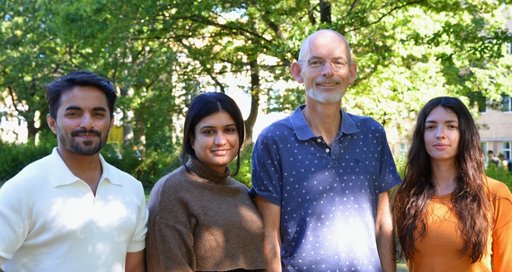
Funded by EARTHKEEPER, GLOBALI supports three early-career researchers in three-year positions at Aarhus University. The initiative gives them the freedom to pursue independent, high-impact projects on nature and biodiversity in their home regions, while receiving mentorship and leadership training from Professor Jens-Christian Svenning and the ECONOVO team.
“The world’s biodiversity is concentrated in the tropics and subtropics — regions that also face the greatest societal and environmental challenges,”
says Professor Jens-Christian Svenning, Director of ECONOVO.
“It is crucial for nature’s future that we train and support the next generation of researchers from these regions, giving them a strong platform to lead positive change for biodiversity.”
GLOBALI was established to strengthen biodiversity research and leadership in the Global South, where biodiversity is highest and environmental change is most rapid. The initiative supports early‑career scientists in developing independent research programs, building international collaborations, and translating science into long‑term impact for nature and society.
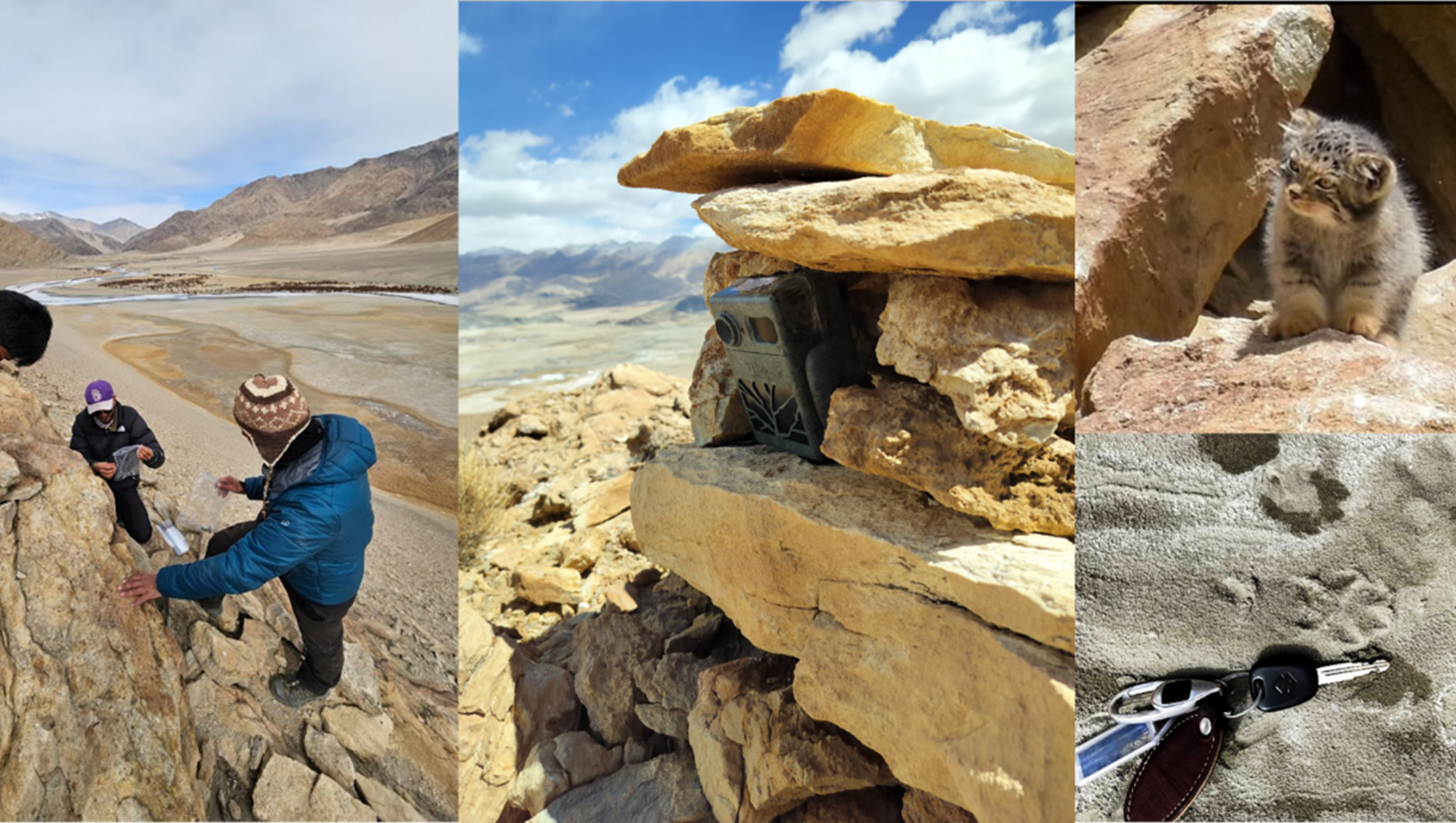
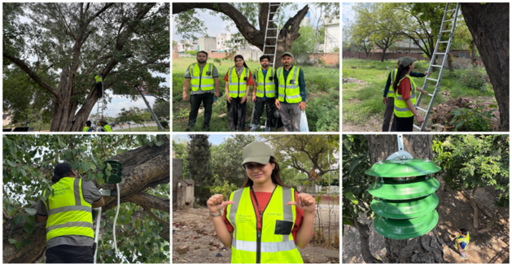
GLOBALI was established to overcome the barriers that early-career scientists in the Global South often face in advancing independent research. The program provides time, resources, and mentoring for fellows to develop their own research visions, build international collaborations, and strengthen biodiversity science in their home countries.
GLOBALI conducts field‑based research across the Global South to understand how ecosystems respond to rapid environmental change and how science can support biodiversity, climate resilience, and human well‑being. The project combines long‑term ecological monitoring, sensor‑based measurements, and close collaboration with local researchers and communities.
Research activities span forests, cities, and human‑dominated landscapes and include studies of climate impacts, ecosystem restoration and rewilding, urban trees and microclimates, invasive species, and human–wildlife coexistence. Together, these efforts generate practical, science‑based knowledge to inform conservation, restoration, and sustainable land‑use planning in a rapidly changing world.
The GLOBALI fellows are early‑career researchers supported to develop independent research agendas while building leadership capacity and international collaboration in biodiversity science.
The three inaugural GLOBALI fellows are:
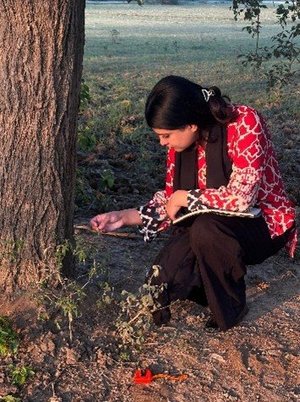
“With GLOBALI, I am translating this evidence into actionable guidance that helps cities protect mature trees, strengthen canopy structure, and create more resilient urban environments.”
- Dr. Ujala Ejaz
Ujala’s research identifies which canopy structures let urban landscapes function as dependable thermal refuges during heatwaves, advancing biodiversity conservation and human well-being. By linking microclimate with wildlife responses, she defines clear targets to enhance vertical layering and protect large, old trees, reducing heat exposure and helping species thrive.
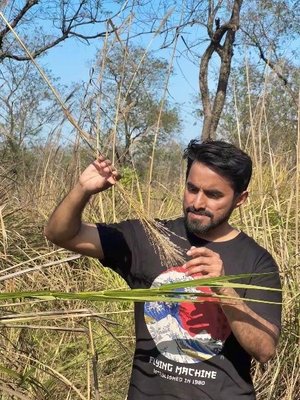
“My part in GLOBALI is to find nature-based solutions to global challenges like invasive plants, pollution, and heat waves, with a focus on how biodiversity itself can help sustain resilient ecosystems.”
- Dr. Ninad Avinash Mungi
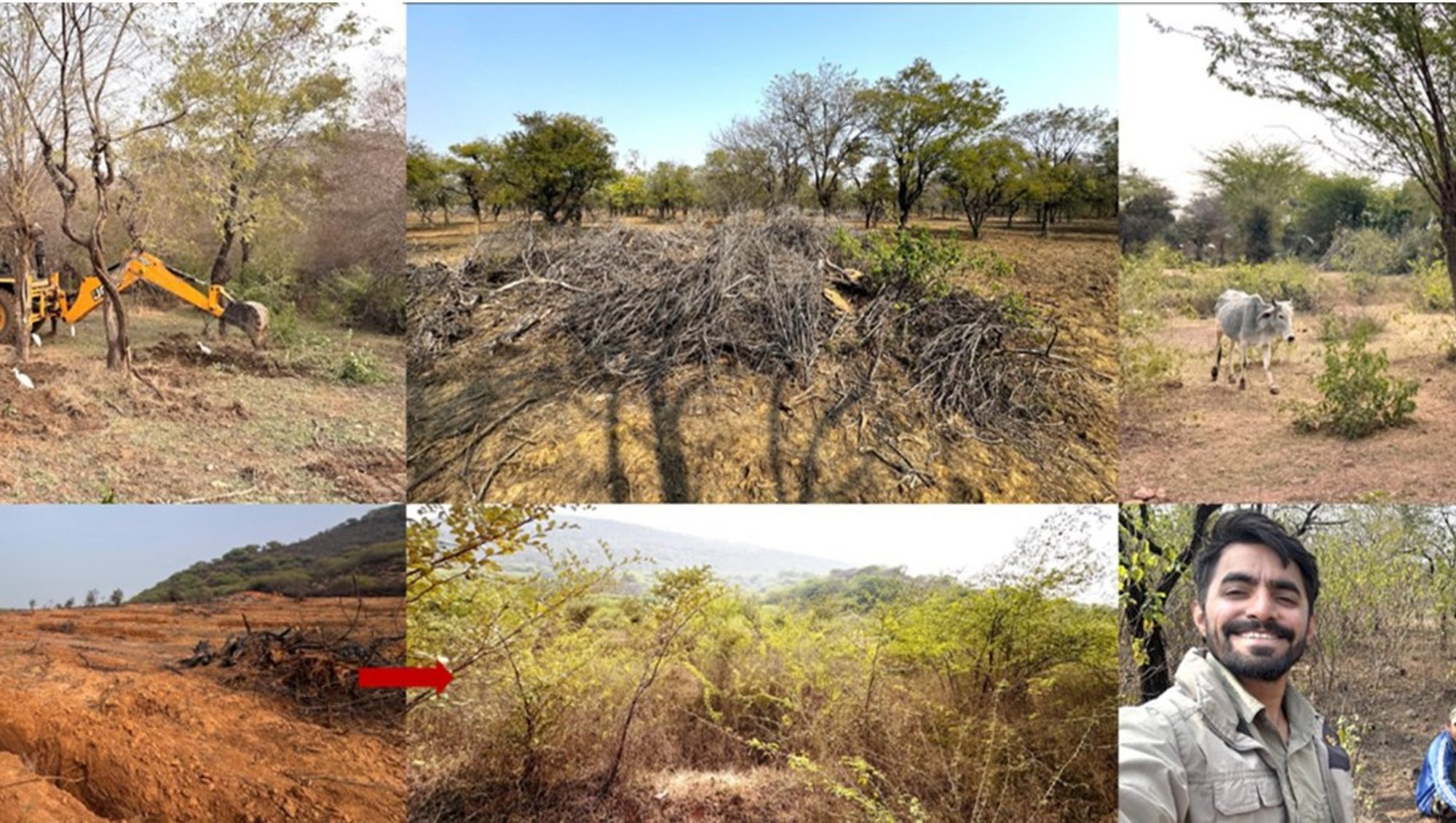
Ninad’s research focuses on nature‑based solutions to ecosystem degradation in human‑dominated landscapes, with a particular emphasis on invasive species, climate change, and megafauna‑driven restoration. Using large‑scale long‑term datasets and fieldwork across India, his work identifies how biodiversity loss and biological invasions reshape ecosystems, and how rewilding and ecological restoration can reverse these trajectories.
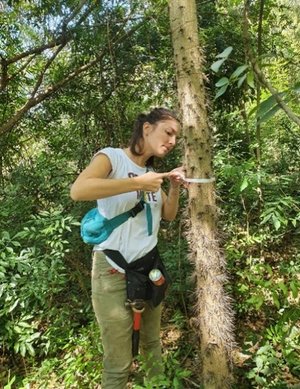
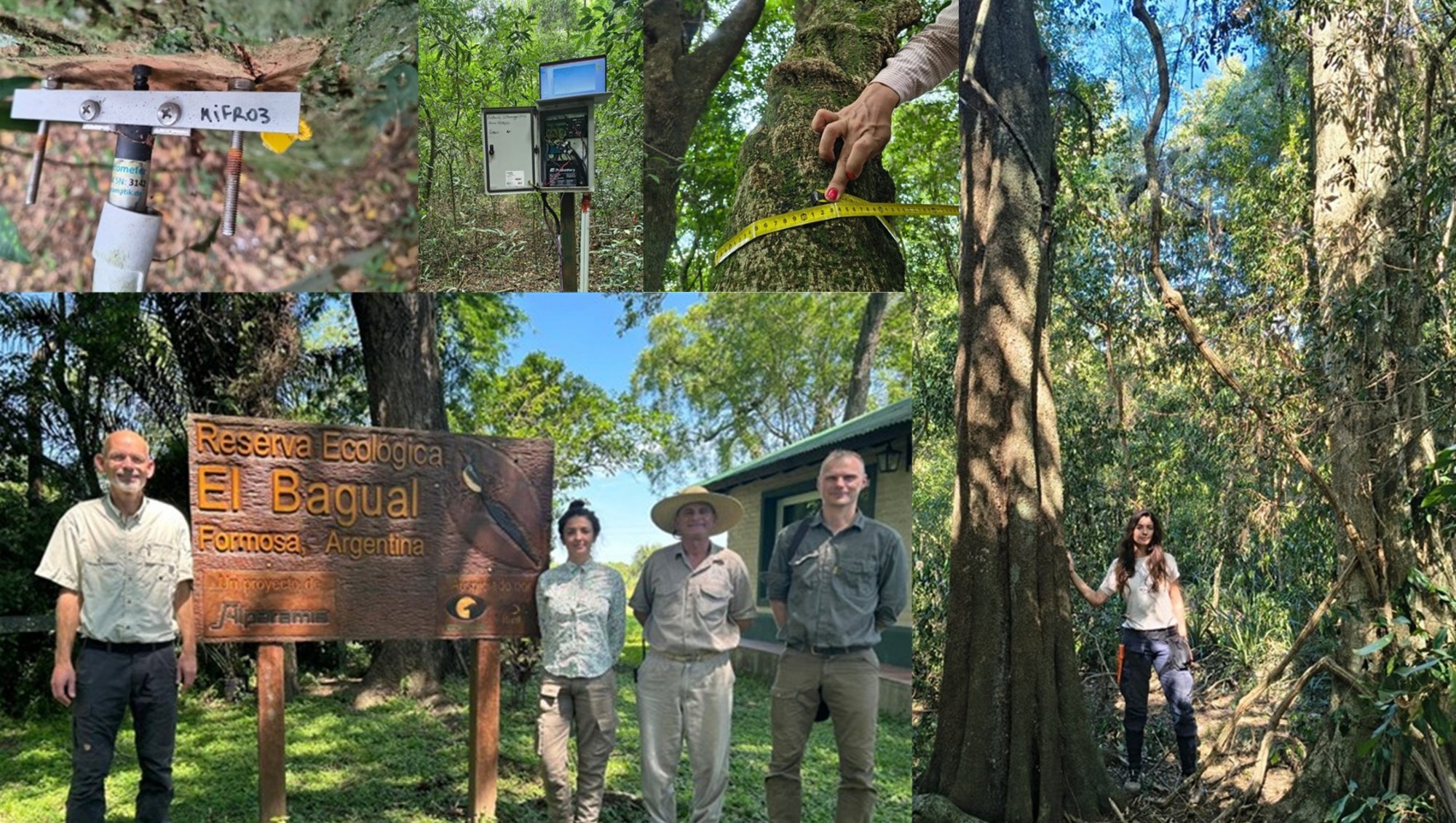
“The main purpose of the GLOBALI project for me is long-term nature studies in Corrientes, across protected and private areas, by engaging local communities to enhance knowledge and conservation strategy for the ecosystem,”
“It’s not just about the forest; you cannot protect the environment without the people who live in it.”
- Dr. Renata Nicora Chequin
Renata focuses on long-term studies to obtain information that can influence public policy for nature conservation. She conducts long‑term ecological monitoring in threatened forest ecosystems of northern Argentina, focusing on how climate variability and extreme drought affect forest dynamics. Her work combines permanent forest plots and sensor‑based measurements to understand tree growth, mortality, and regeneration, generating knowledge crucial for conservation planning and climate adaptation.
GLOBALI combines research excellence with capacity building and leadership development. Through mentoring, collaborative fieldwork, and long-term engagement, the initiative aims to strengthen the scientific foundations for biodiversity conservation where it matters most — in the tropics and subtropics.
“I want to build bridges and superhighways of knowledge exchange between the Global South and Global North,”
“People have amazing opportunities to learn from each other, but somehow it doesn’t always happen.”
- Ninad Avinash Mungi
By empowering early-career scientists to become leaders in their own countries, GLOBALI seeks to create lasting ripple effects for biodiversity and for global sustainability.
Funded by